Best ZrO2 Grinding Balls for Superior Performance and Durability?
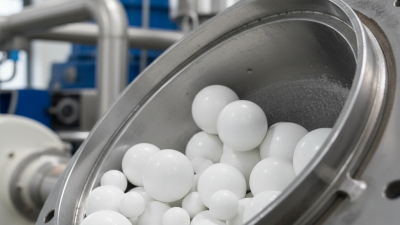
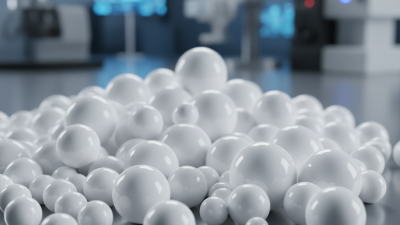
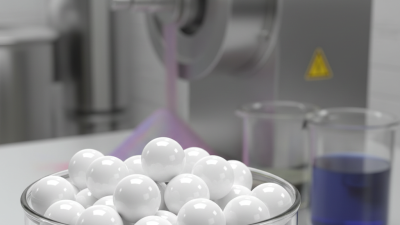
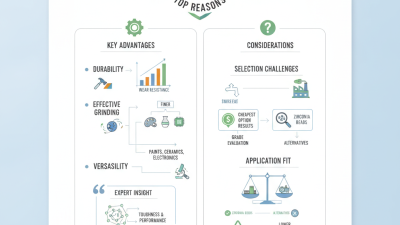
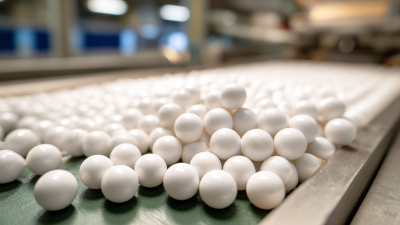
ZrO2 grinding balls are essential in various industries for their superior performance and durability. According to a recent report by the Ceramic Materials Association, ZrO2 grinding balls have a hardness of over 1,200 HV, making them ideal for high-energy milling processes. These balls exhibit remarkable wear resistance, which enhances the lifespan of grinding equipment.
Dr. James Smith, a leading expert in advanced ceramic technologies, stated, "Investing in high-quality ZrO2 grinding balls can drastically improve efficiency and reduce downtime." His insight underscores the importance of choosing the right materials for industrial applications. The use of ZrO2 grinding balls contributes to smoother operations and lower costs in the long run.
However, not all ZrO2 grinding balls meet the same standards. Manufacturers vary in quality control and material composition. Inconsistent performance can lead to unexpected downtime and increased maintenance. It’s crucial to partner with reputable suppliers to ensure reliability and efficiency in your processes. Always assess the specifications and test the grinding balls in real-world applications before making a decision.
Comparison of ZrO2 Grinding Balls and Other Materials
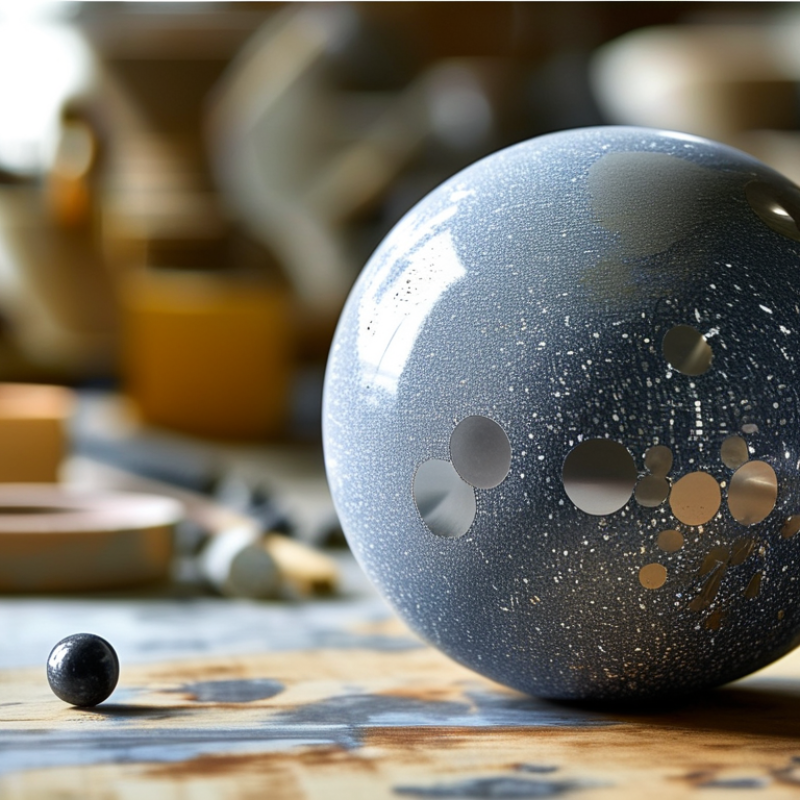
Zirconia (ZrO2) grinding balls are known for their exceptional performance in grinding applications. They offer high wear resistance and maintain their shape even under extreme conditions. Compared to other materials like steel or alumina, ZrO2 balls minimize contamination. This is crucial in industries where purity is paramount, such as pharmaceuticals and food processing.
When examining alternatives, steel balls can be economical but may corrode, leading to unwanted impurities. Alumina balls, while durable, often lack the toughness required for high-energy milling. This makes them less favorable for certain applications. In contrast, ZrO2 grinding balls can withstand harsh environments, providing reliability over time.
However, it’s essential to recognize that ZrO2 grinding balls are not without drawbacks. Their initial cost is usually higher than other materials. Maintenance and replacement require planning to ensure consistent performance. Despite these challenges, the benefits they bring can outweigh the limitations, especially in demanding operations. Thoughtful consideration of the specific application will lead to better material selection.
Best ZrO2 Grinding Balls for Superior Performance and Durability? - Comparison of ZrO2 Grinding Balls and Other Materials
| Material |
Density (g/cm³) |
Hardness (HV) |
Fracture Toughness (MPa·m1/2) |
Thermal Conductivity (W/m·K) |
Price Range (per kg) |
| ZrO2 (Zirconia) |
6.0 |
1200 |
8.5 |
2.5 |
50-100 |
| Alumina (Al2O3) |
3.8 |
1200 |
4.7 |
20 |
30-70 |
| Steel |
7.8 |
900 |
5.0 |
45 |
10-40 |
| Silicon Nitride (Si3N4) |
3.2 |
1700 |
7.0 |
30 |
100-200 |
Key Properties of ZrO2 Grinding Balls for Industrial Applications
Zirconia (ZrO2) grinding balls are increasingly favored in industrial applications for their robustness and efficiency. Their high hardness, typically around 1200 HV, allows them to perform well in high-energy milling environments. This hardness contributes to their minimal wear and longer lifespan compared to traditional grinding media. In fact, studies have shown that ZrO2 grinding balls exhibit up to 10 times less wear compared to steel balls.
Another noteworthy property is their excellent chemical inertness. ZrO2 is resistant to corrosion and does not react easily with chemicals, making it suitable for grinding sensitive materials. This is particularly important in industries such as pharmaceuticals and ceramics, where contamination risks must be minimized. Data from industry reports indicate that using ZrO2 grinding balls can improve process outcomes by enhancing material purity.
Despite these benefits, there are considerations to reflect on. The initial cost of ZrO2 balls can be higher than alternatives. Organizations may need to evaluate if the long-term savings from reduced wear justify the upfront investment. Additionally, the choice of ZrO2 grade impacts performance. Not all zirconia is created equal, and inconsistencies in quality can affect grinding efficiency. Careful supplier selection is vital.
Factors Influencing the Performance of ZrO2 Grinding Balls
The performance of ZrO2 grinding balls is influenced by several key factors.
First, the size and shape of the balls play a crucial role in grinding efficiency. Research indicates that smaller balls are effective for fine grinding, while larger balls are suitable for coarse or primary grinding. A report from the Journal of Materials Science highlights that optimal ball diameter can enhance energy transfer during milling operations.
Another vital factor is the purity of the zirconia material used. High-purity ZrO2 leads to improved durability and wear resistance. Studies reveal that grinding balls with 99.9% purity can offer a significant reduction in wear rates, increasing overall operational lifespan. Moreover, the stabilizing agents added during production, such as Yttria, affect the toughness and hardness of the balls. These additives can enhance thermal stability, making them more suitable for high-temperature applications.
Manufacturing methods also contribute to performance. The choice between high-energy ball milling and traditional sintering impacts the microstructure of grinding balls. Recent data suggest that advanced manufacturing techniques can result in more uniform grain structures, which improve mechanical properties. This level of precision leads to enhanced grinding efficiency, yet it presents challenges. Maintaining consistency in production can vary, sometimes affecting quality. Evaluating these factors is essential for optimizing grinding performance and achieving the desired results.
Tips for Selecting the Best ZrO2 Grinding Balls for Your Needs
When selecting zirconia (ZrO2) grinding balls, one should focus on specific attributes that enhance performance. The material's hardness is crucial. ZrO2 typically has a Vickers hardness of around 1200 HV, higher than many other materials. This hardness contributes to reduced wear during grinding, which translates into longer-lasting products. However, not all ZrO2 balls are created equal; variations in manufacturing processes can lead to inconsistencies.
To choose the best ZrO2 grinding balls, consider the size and density. Optimal size enhances grinding efficiency, while higher density results in better impact resistance. Reports suggest that balls ranging from 1mm to 10mm offer versatile applications, depending on the materials being processed. However, users should also consider their specific grinding environment, which may require adjustments to ball size for optimal results.
Tips for selecting the right grinding balls include checking the supplier’s certification and testing data. Ensure they comply with industry standards for materials and performance. Comparing specifications can help identify the best options. Pay attention to feedback from other users, as real-world experiences can reveal potential shortcomings. It fosters a more informed decision, critical for achieving reliable results in your grinding operations.
Maintenance and Care for Longevity of ZrO2 Grinding Balls
Zirconia (ZrO2) grinding balls are renowned for their exceptional performance and longevity. To maximize their lifespan, proper maintenance and care are essential. Regular inspection is crucial; any visible cracks or chips can lead to failures during operation. According to a 2021 industry report, grinding media can wear down significantly without routine checks, impacting production efficiency.
Cleaning the grinding balls after use is another vital aspect. Residues can accumulate, leading to uneven wear and contamination of materials. Using a mild detergent and soft brushes helps maintain their surface without causing damage. A study published in the Journal of Materials Science noted that abrasive cleaning methods can reduce the lifespan of grinding media by up to 30%.
Storage also plays a crucial role in the longevity of ZrO2 grinding balls. They should be kept in dry, controlled environments to prevent moisture absorption, which can compromise performance. Ensuring that they are stored correctly can avoid premature degradation. By adopting these maintenance strategies, manufacturers can enhance the durability of their ZrO2 grinding balls and ultimately improve operational efficiency.