Best Zirconia Beads For Grinding Media Applications Explained?
The demand for high-quality grinding media has surged in various industries, particularly due to the need for efficiency and precision. Zirconia beads for grinding media have emerged as a leading solution in this field. According to a report by Market Research Future, the global ceramic media market, which includes zirconia, is expected to grow significantly, driven by increased demand in sectors such as pharmaceuticals and chemicals.
These zirconia beads are known for their durability and resistance to wear, making them ideal for high-energy milling applications. They provide a superior grinding performance, reducing contamination and enhancing product purity. However, not all zirconia beads are created equal; variations in composition and size can significantly impact performance. Industry experts often reflect on the challenges of selecting the right type, as inappropriate choices may lead to inefficiencies and increased operational costs.
Moreover, despite their advantages, there are still limitations to be addressed. Issues such as cost and availability can hinder widespread adoption. It is crucial for businesses to evaluate different suppliers and their offerings critically. The landscape of zirconia beads for grinding media is competitive and evolving, urging companies to stay informed and adaptable.
Types of Zirconia Beads Used in Grinding Media Applications
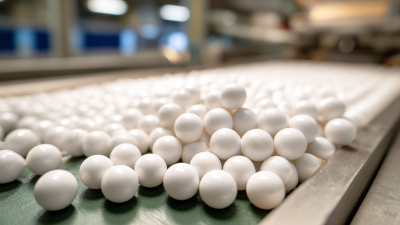
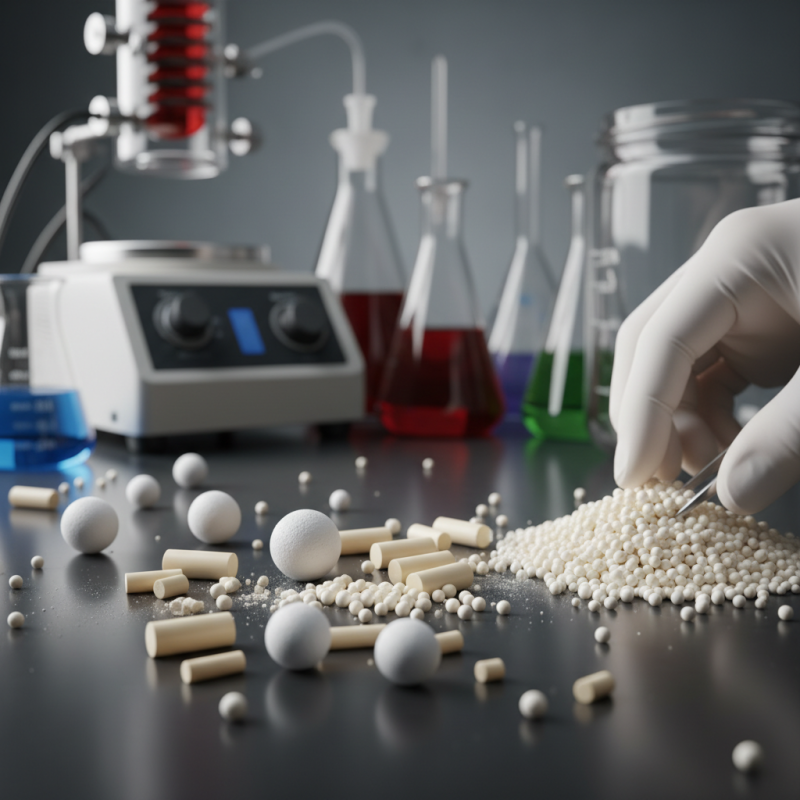
Zirconia beads are popular in various grinding media applications. These beads are known for their durability and efficiency. Different types serve specific purposes in industries like coatings, ceramics, and pharmaceuticals.
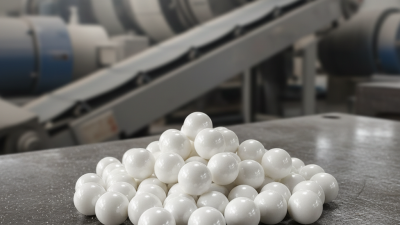
The most common types include solid zirconia beads and composite ones. Solid beads are denser and provide effective grinding. They work well in high-energy milling applications. On the other hand, composite beads often contain silica or other materials. They are lighter and can be used for more delicate materials. Understanding the differences is essential. Picking the wrong type can lead to poor performance.
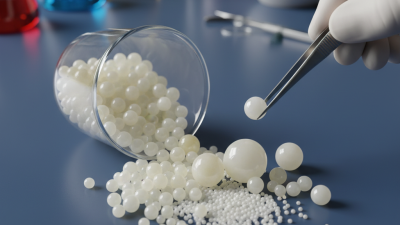
Another interesting option is the use of colored zirconia beads. They can be both functional and aesthetic. However, their performance may vary. Users should test them in their specific application. It's crucial to analyze the results carefully. Choosing the right bead type can make a significant difference in the grinding process.
Key Properties of Zirconia Beads for Effective Grinding
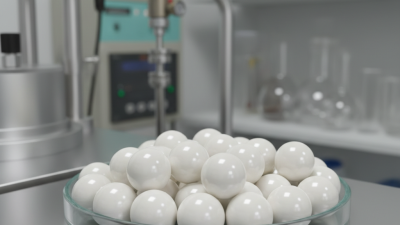
Zirconia beads are a crucial element in grinding media applications. Their unique properties make them ideal for various industries. High density is one key feature, with a specific gravity of around 6.0 g/cm³. This allows for efficient energy transfer during the grinding process. They help achieve finer particle sizes, which is essential in sectors like pharmaceuticals and ceramics.
Another significant property of zirconia beads is their exceptional toughness. Studies have shown that zirconia beads withstand high impacts without breaking. This toughness arises from the material's tetragonal structure, which transforms under stress, absorbing energy. Reports indicate that the wear rate of zirconia beads is substantially lower than that of glass or steel alternatives, ensuring longer service life.
Moreover, zirconia beads exhibit low porosity. This trait minimizes contamination during grinding. It's particularly important in applications involving sensitive materials. They also resist corrosion, which is vital in wet grinding setups. While zirconia beads offer numerous advantages, cost can be a concern. Industries need to evaluate their budgets carefully against the benefits provided. Overall, zirconia beads stand out for their efficiency and versatility in grinding applications.
Best Zirconia Beads For Grinding Media Applications Explained
| Property |
Description |
Value |
| Density |
Density refers to the mass per unit volume of the zirconia beads. |
6.0 g/cm³ |
| Hardness |
Hardness indicates the ability of the beads to resist wear and abrasion. |
1200-1400 HV |
| Fracture Toughness |
Fracture toughness measures the material's resistance to crack propagation. |
5.0 MPa·m1/2 |
| Size Distribution |
Refers to the range of sizes of the zirconia beads. |
0.1 mm to 5 mm |
| Chemical Composition |
Indicates the main components of the zirconia beads. |
ZrO2 + 3% Y2O3 |
| Thermal Stability |
Measures the ability of beads to withstand high temperatures. |
Up to 1000 °C |
| Wear Resistance |
Indicates how well the beads withstand wear during grinding. |
Excellent |
Comparison of Zirconia Beads with Other Grinding Media
Zirconia beads stand out in grinding media applications due to their unique properties. They are highly durable, which results in lower wear rates. This durability often translates into longer operational cycles compared to traditional materials. According to recent industry reports, zirconia beads exhibit a wear rate as low as 0.01 grams per liter. This number is impressive when compared to ceramic or glass beads, which can reach wear rates above 0.05 grams per liter.
When evaluating zirconia beads against other media, their density and hardness play crucial roles. Zirconia beads generally offer a greater density, around 6.0 g/cm³, which aids in effective grinding. In contrast, glass beads typically have a density ranging from 2.5 to 2.7 g/cm³. This difference impacts the energy efficiency in grinding operations. However, there are notable drawbacks. Zirconia beads can be more expensive. Their initial cost might deter smaller businesses.
While zirconia beads excel in many aspects, manufacturers must also consider specific application needs. Not every grinding process will benefit equally from zirconia. For example, softer materials may not require such a hard medium. Understanding the intended use is paramount. Investing in the wrong media can result in wasted resources and inefficiencies in production.
Comparison of Zirconia Beads with Other Grinding Media
Factors to Consider When Choosing Zirconia Beads
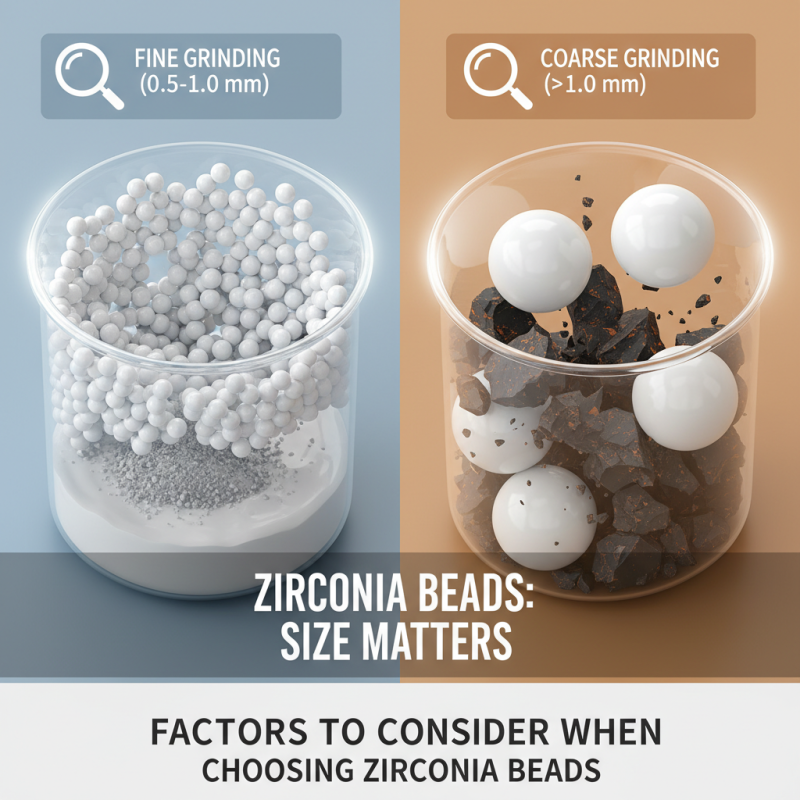
When selecting zirconia beads for grinding media applications, multiple factors must be weighed carefully. The diameter of the beads is crucial. Smaller beads generally offer finer grinding due to increased surface area contact. Reports show that beads with a diameter of 0.5 to 1.0 mm can enhance particle size reduction efficiency. However, larger beads can be more effective for coarser materials.
The density of zirconia beads is another significant factor. They typically range from 6.0 to 6.2 g/cm³. Higher density beads contribute to better impact energy, enhancing grinding performance. Yet, they may also wear down the grinding equipment quicker. It’s essential to strike a balance between performance and equipment longevity.
Another consideration is the hardness of the beads. Zirconia’s hardness provides excellent wear resistance and durability. While this is advantageous, it can lead to issues such as bead breakage under excessive force. Manufacturers should provide data on abrasion rates, which can vary significantly based on the specific composition of the beads. Not all options are equal; examining these metrics helps identify the best choice for specific applications.
Applications of Zirconia Beads in Various Industries
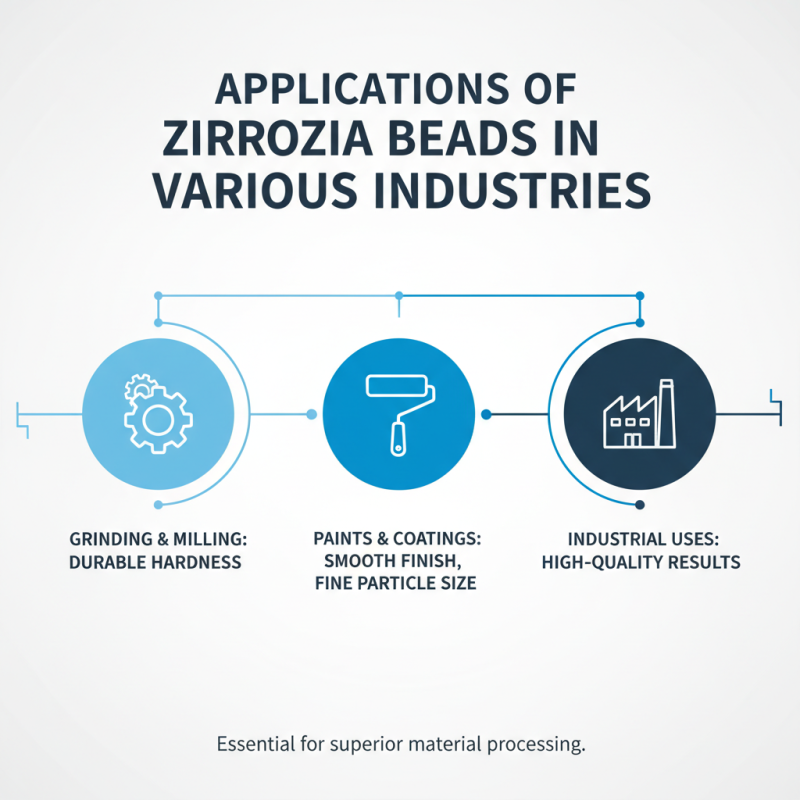
Zirconia beads are essential in many industries. They are known for their durability and hardness. These beads are often used in the grinding and milling processes. In the paint and coating industries, they help in achieving a smooth finish. The fine particle size is crucial for high-quality results.
In the pharmaceutical sector, zirconia beads play a key role in drug formulation. Their non-reactive nature prevents contamination. This makes them ideal for sensitive compounds. Moreover, in the cosmetic industry, they are used for exfoliation and polishing products. Their unique properties improve texture and performance.
Tips: When selecting zirconia beads, consider the bead size and application. Smaller beads are better for fine grinding. Always check for the bead's density; higher density means better grinding efficiency. It's also important to test your chosen beads in smaller batches first. This way, you can adjust if needed. It’s a simple step that can save time and resources.