What are the Benefits of Zirconia Zro2 Beads in 2026?
In 2026, the demand for Zirconia Zro2 Beads is expected to rise significantly. Industry reports indicate a projected growth rate of over 7% annually. This surge is driven by advancements in applications ranging from pharmaceuticals to ceramics. As experts like Dr. Emily Chan state, “Zirconia Zro2 Beads offer unparalleled durability and precision for modern industries.”
Zirconia Zro2 Beads are known for their exceptional mechanical strength and low wear rates. These qualities make them ideal for milling and grinding processes. Companies utilizing these beads see improved efficiency and reduced operational costs. However, there are concerns regarding the environmental impact of their production. Balancing performance and sustainability remains a challenge.
With increasing competition in the market, innovation is key. Manufacturers are exploring new formulations to enhance the properties of Zirconia Zro2 Beads. The focus is on creating solutions that meet diverse industry needs while minimizing ecological footprints. Collaboration among researchers and industry leaders will be essential for achieving these goals.

Benefits of Zirconia ZrO2 Beads in Industrial Applications
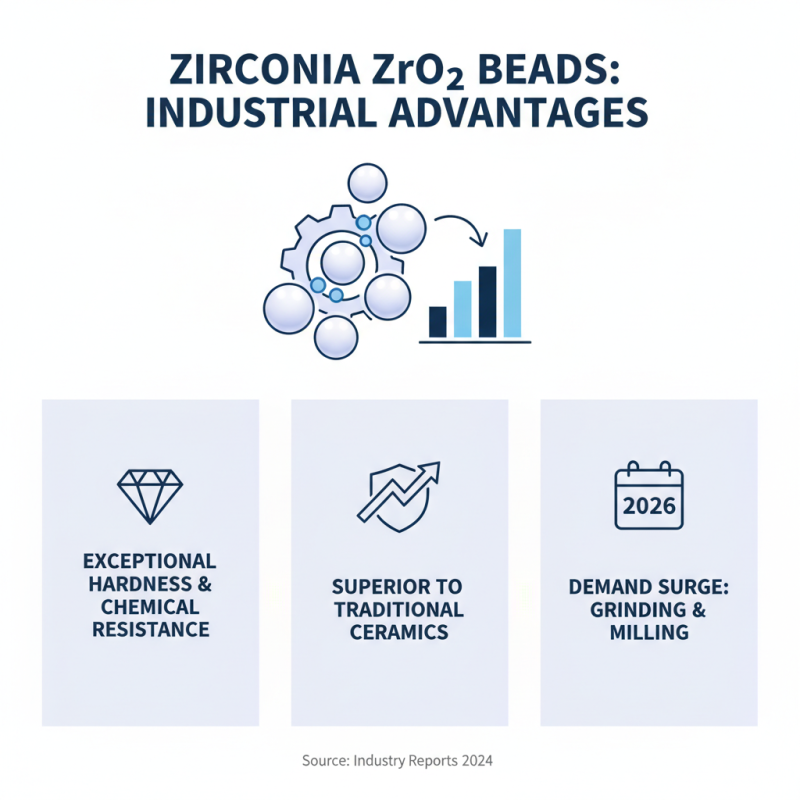
Zirconia ZrO2 beads are gaining traction in industrial applications. These beads offer exceptional hardness and chemical resistance. Reports suggest they outperform traditional ceramic materials. In 2026, their demand in grinding and milling processes is expected to rise significantly.
One study noted that zirconia beads can enhance efficiency by up to 30%. This efficiency stems from reduced wear on equipment and consistent product quality. They also provide excellent dispersion properties. The beads remain stable under high temperatures, making them suitable for various industries.
Still, there are challenges. Some manufacturers face issues while sourcing high-quality raw materials. Quality control remains crucial; impurities can affect performance. Additionally, cost remains a barrier for smaller businesses. Continued research is essential to address these concerns and unlock the full potential of zirconia beads in industrial applications.
Enhanced Durability and Wear Resistance of Zirconia Beads
The use of zirconia ZrO2 beads has gained traction in various industries by 2026. One of the standout features is their enhanced durability. These beads can withstand high pressure and stress, making them ideal for challenging environments. In applications like grinding and milling, their ability to resist wear is notable.
Wear resistance is critical for extending the lifespan of equipment. Ordinary materials may degrade quickly under intense usage, leading to increased costs. Zirconia beads, on the other hand, retain their shape and function longer. Users often notice less frequent replacements and maintenance. However, some industries may still overlook these benefits.
In practical terms, the surface of zirconia beads is smooth and non-porous. This aids in achieving consistent results during mixing or grinding. Yet, not all users fully utilize this advantage. Education on proper application techniques is vital. While the beads offer excellent performance, the final outcome often depends on how effectively they are used.
What are the Benefits of Zirconia Zro2 Beads in 2026? - Enhanced Durability and Wear Resistance of Zirconia Beads
| Benefit |
Description |
Impact on Applications |
Typical Use Cases |
| Enhanced Durability |
Zirconia beads exhibit superior resistance to cracking and breaking due to their high toughness. |
Increased lifespan of grinding equipment leads to fewer replacements and less downtime. |
Used in milling and grinding processes in ceramics and coatings. |
| Wear Resistance |
Highly resistant to abrasion, zirconia beads maintain their shape and performance over extended use. |
Reduced material loss contributes to cost-efficiency in production. |
Commonly used in paints, inks, and industrial minerals. |
| Chemical Resistance |
Zirconia beads resist a wide range of chemicals, making them suitable for aggressive environments. |
Allows for use in diverse chemical applications without degradation of the beads. |
Applicable in the production of pharmaceuticals and other chemicals. |
| Low Density |
Lightweight compared to other media, facilitating easier handling and transport. |
Lower transportation costs and higher efficiency during use in mills. |
Used in both lab-scale and industrial-scale grinding systems. |
| Controlled Particle Size |
Manufactured to specific sizes, ensuring consistency in grinding and dispersing applications. |
Consistency improves the quality of the final product in various applications. |
Ideal for high-precision industries where uniformity is critical. |
Impact of Zirconia Beads on Grinding Efficiency and Time Reduction
Zirconia ZrO2 beads are increasingly popular in grinding applications. Their impact on grinding efficiency is notable. These beads provide a smoother grinding action compared to traditional materials. This can lead to finer particle sizes in less time. The durability of zirconia beads is another advantage. They resist wear and tear, maintaining their shape longer.
Using zirconia beads can reduce grinding time significantly. This is especially beneficial in industries requiring high precision. However, they come with a higher initial cost. It's essential to evaluate the long-term benefits against this upfront investment. Some users report a learning curve when switching to zirconia. It’s crucial to monitor the process closely during initial use.
Despite their advantages, not all applications suit zirconia beads. The specific material being ground matters greatly. Users should stay flexible and ready to adapt their strategies. Testing in small batches could help in finding the right fit. Overall, while zirconia beads offer benefits, they also necessitate critical evaluation.
Benefits of Zirconia ZrO2 Beads in 2026
Cost-Effectiveness of Zirconia Beads Compared to Other Materials
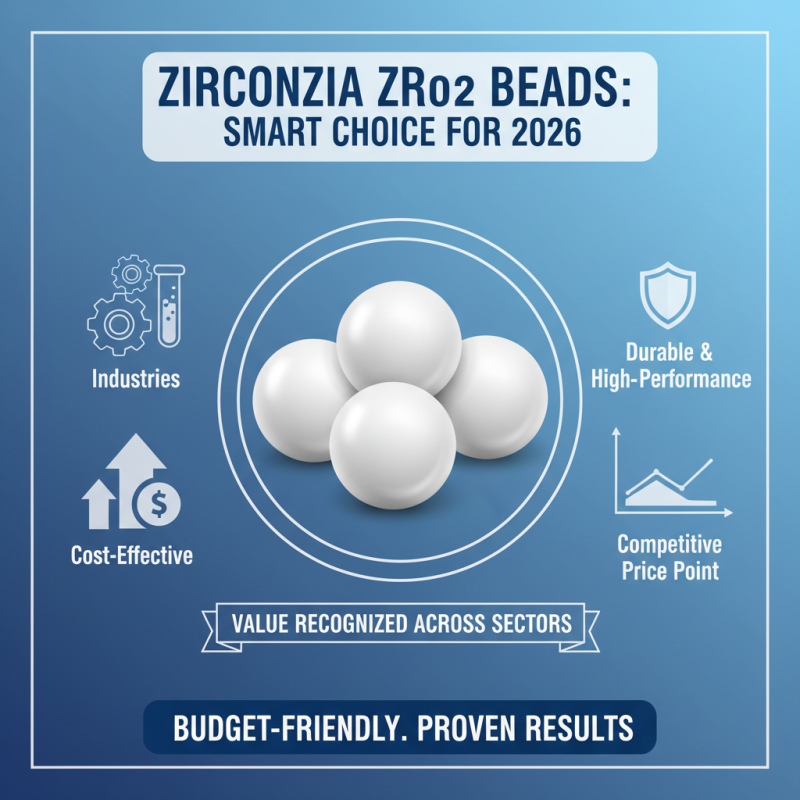
Zirconia ZrO2 beads have gained attention for their cost-effectiveness compared to alternatives. They are durable and offer good performance in various applications. In 2026, more industries are recognizing their value. The price point of zirconia beads remains competitive. This makes them an attractive choice for businesses with budget constraints.
While zirconia beads display impressive qualities, challenges still exist. Their initial cost might seem higher than some ceramic or glass options. However, their longevity often offsets the upfront expense. This is where reflection is needed. Firms must assess their specific needs and consider long-term savings over short-term costs.
The lightweight nature of zirconia beads is another advantage. They facilitate easier handling and transport. In many cases, this can lead to reduced shipping costs. However, some users note that they may require specialized equipment to maximize effectiveness. Not every scenario benefits equally, which calls for careful consideration. Analyzing material choices is crucial for achieving optimal results.
Environmental Considerations: Sustainability of Zirconia Beads in 2026
Zirconia beads, made from ZrO2, are gaining attention in sustainability discussions for 2026. Their production process requires significant energy, raising concerns about carbon footprints. Creating these beads involves mining zirconium, a resource-intensive activity. While zirconium is abundant, the extraction impacts local ecosystems. Balancing these environmental effects is crucial.
However, zirconia beads offer longevity, which might offset some initial environmental costs. Their durability means fewer replacements over time, reducing waste. In industries like ceramic and dental applications, this is vital. Yet, questions linger about the end-of-life scenarios for these beads. Are they recyclable? What about their decomposition?
Sustainability isn't just about production; it's about the entire lifecycle. As we move towards 2026, promoting a circular economy could hold promise. Encouraging practices like recycling and responsible sourcing will be essential. Understanding the trade-offs and making informed choices will help us navigate these complexities.