Top 10 Benefits of Yttria Stabilized Zirconia Beads for Sourcing?
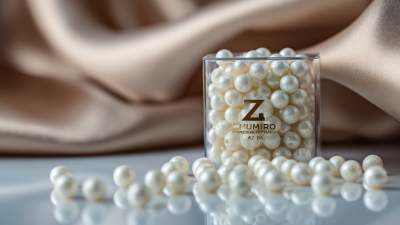
Yttria Stabilized Zirconia Beads have gained significant popularity in various industries. These beads offer unique advantages that support efficient sourcing. Their durability and resistance to wear make them an invaluable resource in abrasive applications.
The composition of Yttria Stabilized Zirconia ensures minimal degradation during grinding processes. This leads to cost-saving benefits for manufacturers. Moreover, their superior mechanical properties promote longevity, reducing the frequency of replenishment. Industries benefit from efficiency and productivity, with fewer disruptions in operations.
Despite these advantages, sourcing Yttria Stabilized Zirconia Beads requires careful consideration. Variations in quality can affect performance. It’s important to engage with reliable suppliers to ensure optimal results. Balancing quality with cost can be challenging. However, investing in these beads can ultimately offer significant returns. Understanding the complexities in sourcing can lead to better decisions for your business.
Advantages of Yttria Stabilized Zirconia Beads in Industrial Applications
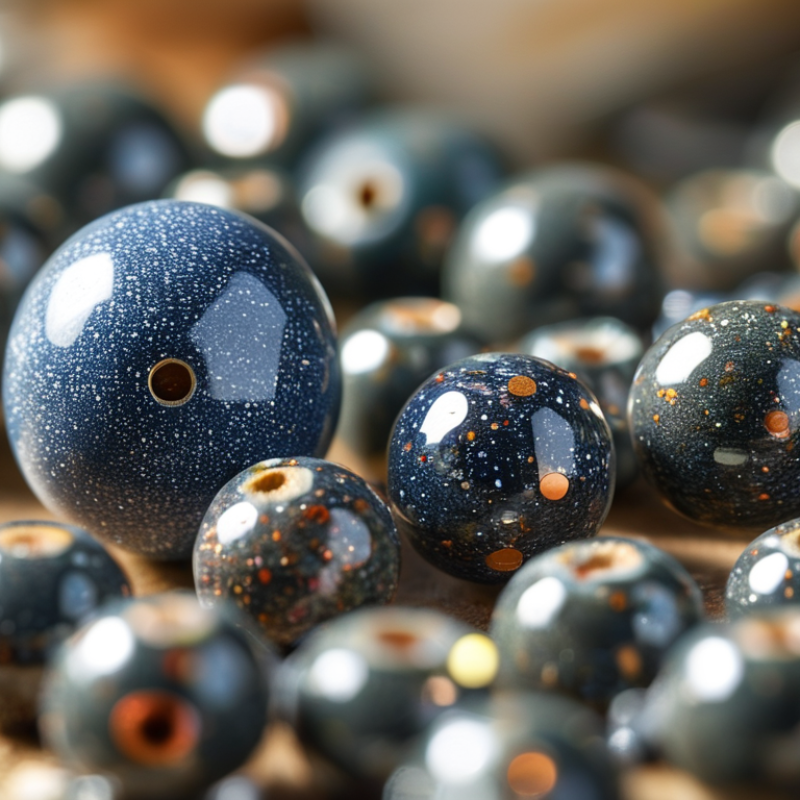
Yttria stabilized zirconia (YSZ) beads are essential in many industrial applications. Their unique properties make them highly valuable in various fields. YSZ beads are known for their high durability and resistance to wear. This feature is critical in environments where other materials would fail quickly. Industries like ceramics and coatings heavily rely on these beads for superior performance.
The chemical stability of YSZ beads is remarkable. They can withstand harsh conditions without degrading. This stability ensures long-lasting results in applications like grinding and milling. Additionally, the beads exhibit exceptional thermal resistance, making them ideal for high-temperature processes. These qualities contribute to efficiency and reduced costs over time.
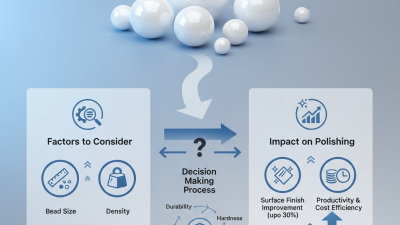
Despite these advantages, it's crucial to consider the context of use. While YSZ beads can outperform other materials, they may not be necessary in every application. For example, in low-stress environments, simpler materials may suffice. A comprehensive evaluation is vital to determine the best material for each specific application. Balancing performance and cost-effectiveness is an ongoing challenge in industrial settings.
Enhanced Durability and Wear Resistance of Zirconia Beads
Yttria stabilized zirconia (YSZ) beads stand out for their exceptional durability and wear resistance. These beads are often used in various industrial applications due to their tough structure. Made from zirconium dioxide, YSZ beads resist abrasion and impacts better than many alternatives. Their high density offers advantages in milling and grinding processes, enhancing productivity significantly.
The toughness of YSZ beads means they can endure harsh conditions. In high-energy applications, their resistance to cracking makes them reliable over time. However, their production involves complex processes. Poor quality control can sometimes result in inconsistencies, leading to product failures. It's crucial to partner with reputable suppliers to ensure high standards.
Despite their benefits, these beads may not be the right choice for every situation. For softer materials, alternatives might offer better cost efficiency. Evaluating specific needs remains important. In the end, while YSZ beads excel in durability, understanding your unique requirements is key to optimization.
Improved Grinding Efficiency with Yttria Stabilized Zirconia
Yttria stabilized zirconia (YSZ) beads are exceptional for grinding processes. Their unique structure enhances grinding efficiency significantly.
These beads withstand high pressures and temperatures. This durability leads to less wear on equipment. Consequently, they provide longer service life and reduce operational costs.
In applications like paint and coatings, YSZ beads exhibit superior performance. They create finer particle sizes, ensuring a smoother finish. The improved grinding efficiency translates to higher quality products.
However, some users find them more expensive initially. The investment often pays off through minimized downtime and reduced maintenance.
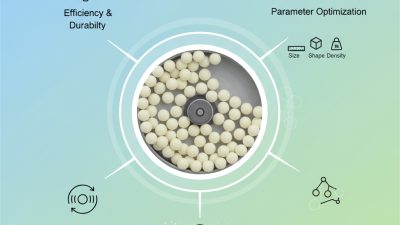
While YSZ beads excel in many settings, they are not perfect. Their effectiveness can diminish if not used properly. Adjusting the grinding parameters is essential for optimal performance.
Users must monitor the process closely to prevent inconsistencies. Regular evaluation is needed to ensure quality remains high.
Cost-Effectiveness of Using Yttria Stabilized Zirconia Beads
Yttria stabilized zirconia beads (YSZ) are increasingly popular in various industrial applications. Their cost-effectiveness is a significant advantage. These beads offer excellent wear resistance, which reduces the frequency of replacements. In many operations, this can lead to lower overall costs.
Additionally, YSZ beads maintain their size and shape for extended periods. This durability enhances performance, especially in grinding processes. Companies often see a noticeable improvement in efficiency. However, it's essential to evaluate the initial investment. Some may find YSZ beads pricier upfront but may not realize the long-term savings they provide.
Another aspect to consider is their ability to reduce energy consumption. Efficient grinding with YSZ beads often leads to lower energy costs. This advantage not only cuts expenses but also contributes to sustainability efforts. However, businesses must assess their specific needs. The balance between price and performance isn't always clear-cut. An informed decision requires detailed analysis.
Environmental Benefits of Sourcing Yttria Stabilized Zirconia Beads
Yttria stabilized zirconia (YSZ) beads present significant environmental benefits in various applications. Made from abundant raw materials, YSZ offers a sustainable alternative to conventional materials. With a high durability, these beads reduce the need for frequent replacements, minimizing waste. According to a 2022 industry report, using YSZ can decrease material consumption in production processes by up to 30%. This reduction directly impacts the overall carbon footprint associated with manufacturing.
The recyclability of YSZ beads further enhances their environmental appeal. Unlike many conventional materials, YSZ can be reused multiple times without losing its properties. A study published in the Journal of Sustainable Materials indicated that recycling YSZ beads can cut production-related emissions by approximately 25%. Despite these advantages, the industry still faces challenges in increasing awareness about the recycling processes for YSZ. Many manufacturers remain hesitant to switch due to potential costs associated with initial investments. Understanding the long-term benefits is crucial for driving this change.
While YSZ beads offer promising benefits, the transition must be approached carefully. The infrastructure for recycling is still developing in many regions. As industries strive for sustainability, embracing YSZ could lead to significant positive outcomes. Enhanced education on the environmental advantages and practical applications of YSZ beads is needed to empower stakeholders.