Top 10 Benefits of Micro Zirconia Balls for Industrial Use?
In today's industrial landscape, the use of advanced materials has become crucial for optimizing manufacturing processes. One such innovative material is the Micro Zirconia Ball. Recent studies from the International Journal of Advanced Manufacturing Technology highlight its exceptional hardness and wear resistance, making it ideal for various applications. In fact, the global market for zirconia materials is projected to reach $2 billion by 2026, reflecting growing interest in high-performance solutions.
Micro Zirconia Balls stand out due to their unique properties. With a density that outperforms traditional materials, they offer enhanced efficiency in grinding and milling processes. Industries such as ceramics, electronics, and pharmaceuticals rely heavily on these micro balls. Their exceptional stability increases the reliability of equipment, reducing maintenance costs.
Despite these advantages, there is still some skepticism regarding their price point compared to conventional media. Companies must weigh the initial investment against long-term benefits. Embracing Micro Zirconia Balls could lead to significant improvements in productivity and product quality. However, this transition requires careful consideration and knowledge of the specific industry needs.
Micro Zirconia Balls: An Overview of Their Composition and Properties
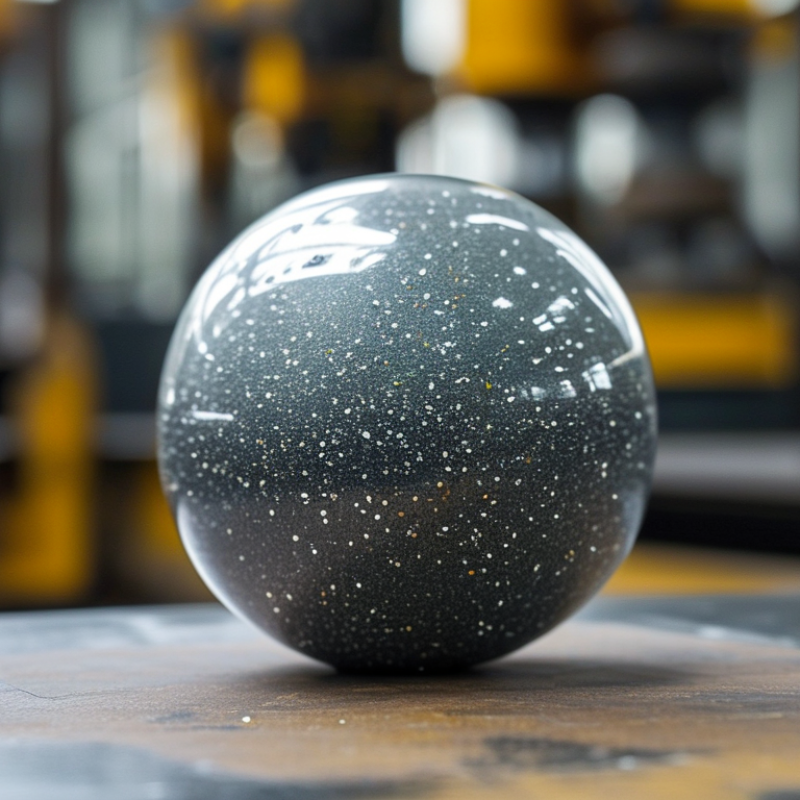
Micro zirconia balls are gaining traction in various industrial applications due to their unique composition and exceptional properties. Made from zirconium dioxide, these balls exhibit high toughness and wear resistance. They are also lightweight, making them ideal for precision applications. The fine grain structure enhances their mechanical performance, allowing for effective dispersion in various mediums.
Tips: When selecting micro zirconia balls, consider their size and density. Matching these parameters to your application can enhance efficiency. For example, smaller balls may offer better fluid dynamics in mixing processes.
The inert nature of zirconia reduces contamination. This is critical in industries like pharmaceuticals and food processing. Their resistance to chemical attack also makes them suitable for harsh operating environments. This durability sometimes leads to higher costs and performance expectations. Evaluating the long-term benefits versus initial investments can be complex.
Tips: Documentation of performance is essential. Regular assessments can help optimize use. Consider conducting trials to gather operational data that informs future purchases.
Top 10 Benefits of Micro Zirconia Balls for Industrial Use
Enhanced Durability: How Micro Zirconia Balls Outperform Traditional Materials
Micro zirconia balls have been gaining attention in industrial applications due to their enhanced durability. Unlike traditional materials, these balls excel in high-stress environments. They are resistant to wear and corrosion. This durability means longer service life, reducing the need for frequent replacements. Industries that rely on precision components benefit greatly from this reliability.
The manufacturing of micro zirconia balls involves advanced techniques, ensuring uniformity and resilience. Their high strength makes them ideal for grinding and milling processes. Additionally, they can withstand extreme temperatures and pressures. However, not all applications may experience the same benefits, and it’s essential to consider specific operational conditions. Some users report challenges in sourcing compatible components.
While the advantages are clear, there are still factors to consider. Cost implications may deter smaller businesses from switching. It’s also important to evaluate how these materials interact with existing systems. Proper testing and analysis are crucial for transition. The expertise in utilizing micro zirconia balls can significantly impact performance outcomes.
Cost Efficiency: Long-term Savings with Micro Zirconia in Industrial Applications
Micro zirconia balls have become essential in various industrial applications. Their cost efficiency offers long-term savings that can significantly impact a company's bottom line. Unlike traditional materials, micro zirconia is highly durable and has a longer lifespan. This means fewer replacements, reducing overall costs and downtime.
In terms of operational efficiency, these micro zirconia balls are lighter. This can lead to decreased energy consumption in machinery. Companies have reported lower maintenance costs due to the wear resistance of these materials. However, the initial investment might be higher than conventional options. It’s important to weigh the upfront costs against future savings.
Industries must carefully consider their specific needs when choosing materials. While micro zirconia balls offer many benefits, the decision is not always straightforward. Testing and assessment should be part of the selection process. Not all applications may require the high-performance capabilities of micro zirconia. Understanding the unique demands of your operations allows for more informed decisions.
Top 10 Benefits of Micro Zirconia Balls for Industrial Use
| Benefit |
Description |
Cost Efficiency |
| Durability |
Micro zirconia balls are robust and withstand high pressure and temperature. |
Reduces replacement costs over time. |
| Efficiency |
Enhances the efficiency of grinding and dispersion processes. |
Leads to lower operational costs. |
| Chemical Resistance |
Highly resistant to corrosive environments. |
Increases the lifespan of equipment. |
| Reduced Contamination |
Minimizes contamination in processes. |
Saves costs related to quality control failures. |
| Versatility |
Applicable in various industries including ceramics and pharmaceuticals. |
Broadens industrial applications without extra investment. |
| Lower Energy Consumption |
Requires less energy due to reduced grinding times. |
Leads to significant savings on energy costs. |
| Enhanced Performance |
Improves the performance of machinery and equipment. |
Increases throughput and reduces downtime. |
| Precision |
Allows for finer grinding and better material properties. |
Enhances quality and reduces waste. |
| Reduced Wear and Tear |
Lower wear on equipment compared to other materials. |
Saves on maintenance and repair costs. |
| Regulatory Compliance |
Complies with industry regulations for safe materials. |
Reduces potential penalties and compliance costs. |
Applications in Various Industries: Where Micro Zirconia Balls Shine
Micro zirconia balls have found their way into various industries, offering distinct advantages that enhance processes. In the field of ceramics, these balls provide high wear resistance and better grinding efficiency. Their use in ball milling leads to finer product sizing, which is critical in producing high-quality materials. Their superior mechanical properties dutifully address the needs of high-performance applications.
In the pharmaceutical industry, micro zirconia balls contribute significantly to the efficiency of drug formulation. They ensure uniform particle size, which is crucial for dosage accuracy. However, the challenges of handling and potential contamination during processing still require careful consideration. Additionally, in the automotive sector, these balls are often incorporated into grinding and polishing applications, promoting surface finishing. Despite their effectiveness, the initial costs can be a barrier for some companies. Hence, evaluating cost versus efficiency remains vital for businesses.
Environmental Impact: Sustainability Benefits of Using Micro Zirconia Balls
Micro zirconia balls are a sustainable option for various industrial applications. These small, durable balls are made from high-performance materials. Their production process is less harmful to the environment compared to traditional materials. This creates a notable reduction in carbon emissions.
Using micro zirconia balls can lead to significant waste reduction. Their long lifespan means fewer replacements are needed, which cuts down on material consumption. Industries can benefit greatly from this aspect. However, the initial investment can seem high for some businesses. It requires careful consideration of long-term savings versus initial costs.
Moreover, micro zirconia balls are recyclable. This feature promotes a circular economy approach. While they may not be suitable for all applications, their environmental benefits are evident. Many industries are starting to acknowledge this. Sustainability is no longer just an option; it is becoming essential. Even so, more research is needed to optimize their use across all sectors.