Exploring the Benefits and Applications of 6mm Zirconia Balls in Modern Engineering
In recent years, the engineering industry has seen a growing interest in advanced materials that enhance performance and efficiency. Among these materials, the 6mm Zirconia Ball has emerged as a key player, particularly in applications requiring high strength, wear resistance, and thermal stability. According to a report by the Global Ceramic Balls Market, the demand for zirconia balls is projected to reach a market value of over $4 billion by 2025, driven by their increasing use in the aerospace, automotive, and medical sectors. The unique properties of the 6mm Zirconia Ball, such as its low density and high durability, make it ideal for various applications, including ball bearings, grinding media, and precision components. As industries continue to prioritize innovation and performance enhancement, understanding the benefits and applications of the 6mm Zirconia Ball will be crucial for engineers and manufacturers alike.
Understanding the Composition and Characteristics of 6mm Zirconia Balls
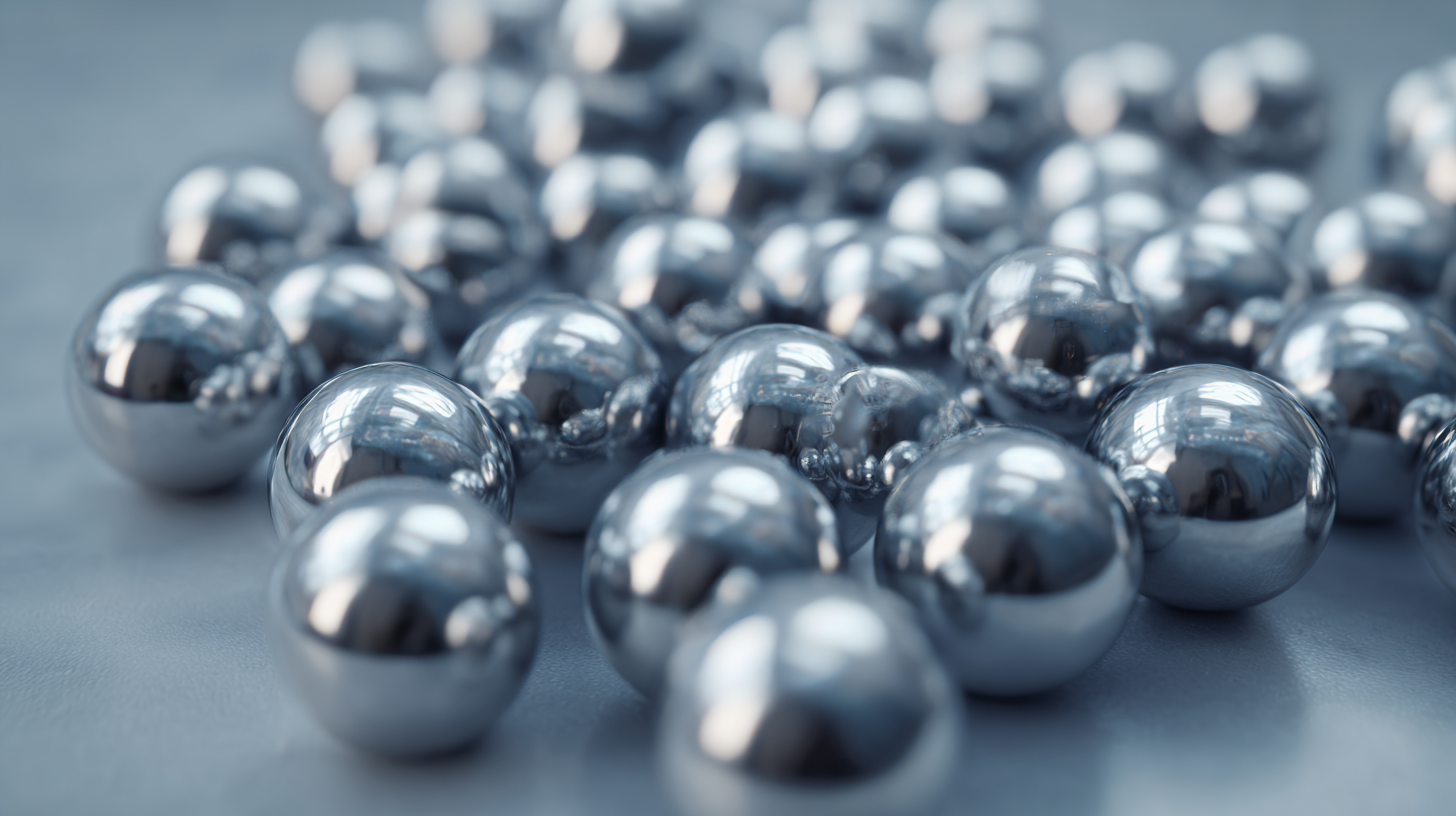
 6mm zirconia balls are an exceptional material in modern engineering, known for their unique composition and remarkable characteristics. Composed primarily of zirconium dioxide (ZrO2), these balls are engineered through a precise process that enhances their strength and durability. The addition of stabilizers like yttria further improves their structural integrity, making them resistant to wear and thermal shock. This combination of properties allows zirconia balls to maintain performance even in demanding environments, a feature that is particularly beneficial for applications in bearings, grinding media, and various precision components.
In terms of characteristics, 6mm zirconia balls exhibit high toughness, low density, and excellent corrosion resistance. These attributes make them suitable for use in industries ranging from aerospace to biomedical engineering. Their smooth surface finish also contributes to reduced friction, which can lead to improved efficiency and longevity of devices and machinery. Additionally, the lightweight nature of these balls allows for significant weight reductions in systems where every gram counts, further underscoring the versatility of 6mm zirconia balls in advancing engineering solutions.
Evaluating the Advantages of Using Zirconia Balls in Various Engineering Applications
Zirconia balls, particularly those with a diameter of 6mm, have emerged as a significant component in various engineering applications due to their unique properties. One of the primary advantages of using zirconia balls is their exceptional resistance to wear and corrosion. This makes them ideal for high-stress environments where materials are subject to friction and chemical exposure. Their durability ensures a longer lifespan, reducing frequency of replacements and maintenance costs in mechanical systems.
Additionally, the lightweight nature of zirconia balls contributes to improved performance in applications such as bearings, valves, and grinding media. Their low density allows for higher speeds and efficiency, which is crucial in industries ranging from automotive to aerospace. Moreover, the high strength-to-weight ratio of zirconia translates to enhanced operational reliability, even in extreme conditions. These compelling advantages underscore the growing preference for zirconia balls in modern engineering, positioning them as a vital component for innovative solutions in various sectors.
How to Select the Right 6mm Zirconia Balls for Your Specific Needs
When selecting the right 6mm zirconia balls for your specific needs, it is essential to consider several factors, including the material properties, functionality, and application. Zirconia, known for its exceptional hardness and resistance to corrosion, is often preferred in demanding environments. Variants of zirconia balls can also include options that incorporate silica or alumina, which may modify their mechanical properties and performance under specific conditions.
In choosing between inert and active functionalities, users must assess the desired interaction of the balls with their surrounding media. In applications like bearings and grinding, inert zirconia balls are ideal due to their ability to withstand high temperatures and resist wear. Conversely, for applications requiring chemical reactivity—such as in certain valve operations—selecting an active or modified zirconia ball may yield better results.
**Tips:** When sourcing 6mm zirconia balls, consult with manufacturers to obtain material specifications and consider conducting tests under your operating conditions to confirm performance. Additionally, stay updated with industry reports, as data indicates a growing demand for advanced ceramic materials, projecting an increase in the use of zirconia balls in various engineering applications by nearly 15% over the next five years. This trend emphasizes the importance of carefully selecting the right materials to enhance operational efficiency.
Exploring the Benefits and Applications of 6mm Zirconia Balls in Modern Engineering
| Property |
Value |
Application |
| Density |
6.05 g/cm3 |
Metallurgy |
| Hardness |
1200 HV |
Ball Bearings |
| Fracture Toughness |
5.0 MPa√m |
Medical Devices |
| Thermal Stability |
Up to 1200°C |
High-Temperature Applications |
| Chemical Resistance |
Excellent |
Aerospace |
| Low Coefficient of Friction |
0.1 - 0.2 |
Automotive Applications |
Best Practices for Maintaining and Handling Zirconia Balls in Engineering Projects
In modern engineering, the application of 6mm zirconia balls has gained significant attention due to their superior properties, including high hardness and wear resistance. To maximize their effectiveness, it is crucial to adhere to best practices in maintaining and handling these materials. Proper storage is essential; zirconia balls should be kept in a dry and controlled environment to prevent moisture absorption, which can lead to degradation of their performance characteristics.
Moreover, handling techniques play a pivotal role in ensuring the longevity and efficiency of zirconia balls in various applications. Engineers should utilize soft materials when transporting or operating these balls to avoid the risk of chipping or cracking. Regular inspections and cleaning protocols can further enhance their reliability, particularly in environments where they are subjected to heavy stress or aggressive materials. By implementing these best practices, engineering projects can achieve optimal performance, reducing operational disruptions and enhancing overall project outcomes.
Innovative Uses of 6mm Zirconia Balls in Emerging Technologies and Industries
The innovative applications of 6mm zirconia balls across various modern industries underscore their versatility and functionality. Made from zirconium oxide, these balls exhibit exceptional hardness and corrosion resistance, making them ideal for both passive and active roles in engineering solutions. Their inert nature allows for use in environments where chemical reactivity could compromise performance, while their structural integrity enhances their utility in high-load bearing applications.
In the realm of emerging technologies, 6mm zirconia balls are increasingly being integrated into advanced systems such as precision bearings, grinding tools, and valve mechanisms. Their ability to withstand extreme conditions and reduce friction contributes to more efficient operations in sectors ranging from aerospace to manufacturing. As industries seek to adopt materials that not only improve performance but also reduce maintenance costs, the role of zirconia balls is becoming more prominent, paving the way for future innovations and applications in the engineering landscape.