What is 65 Zirconia Silicate Bead and its Benefits?
The 65 Zirconia Silicate Bead has emerged as a game-changer in various industries. Dr. Emily Cohen, a renowned materials scientist, states, "These beads offer unmatched durability and versatility." This highlights their significance in modern applications.
These beads are primarily known for their strength and resistance to wear. They are widely used in grinding and milling processes. Their unique properties lead to superior performance compared to traditional materials. The adoption of 65 Zirconia Silicate Beads results in improved efficiency and reduced operational costs.
Despite their advantages, challenges remain. For instance, the price point may deter some users. The transition from conventional materials to 65 Zirconia Silicate Bead can require adjustments. Understanding these aspects is crucial for maximizing their potential.
What is 65 Zirconia Silicate Bead?
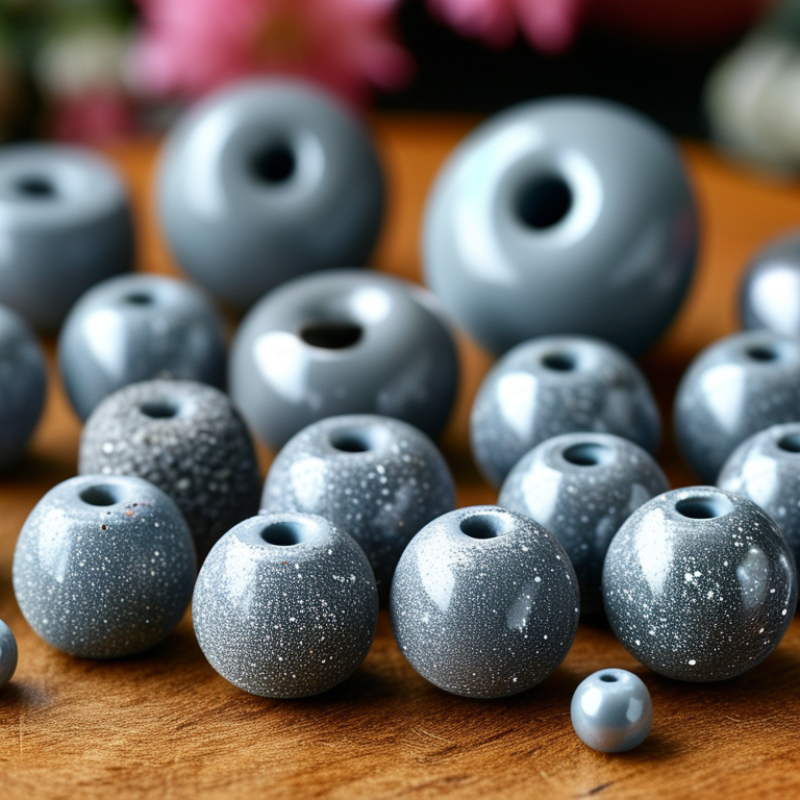
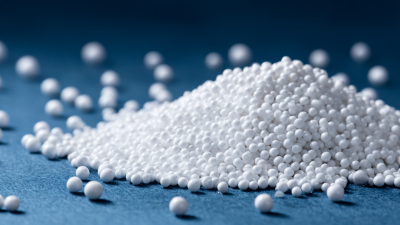
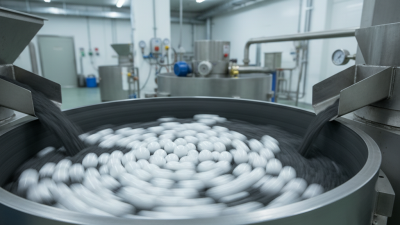
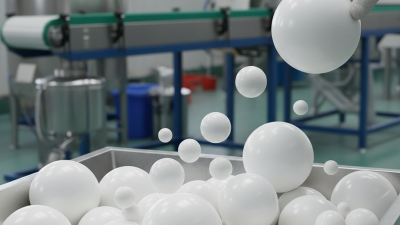
Zirconia silicate beads are advanced grinding media known for their durability and efficiency. These beads, made from high-quality zirconium silicate, offer superior resistance to wear. In various industries, their toughness leads to longer lifespan and reduced replacement costs. Studies suggest that they outperform traditional media by up to 30% in terms of grinding efficiency. This makes them an attractive option for manufacturers seeking to optimize production processes.
The chemical composition of 65 Zirconia silicate beads contributes to their robust characteristics. With a density of approximately 4.0 g/cm³, they provide a consistent grinding action. Their size range, typically from 0.1 mm to 3 mm, is ideal for numerous applications, including inks, paints, and coatings. Research from industrial reports indicates that businesses utilizing these beads report lower energy consumption during milling operations. This leads not only to cost savings but also reduced environmental impact.
Despite their advantages, there are potential downsides to consider. These beads can be more expensive initially than conventional options. Some users have also noted issues related to bead breakage when used in intense grinding conditions. Continuous evaluation of performance is crucial. Users must match the bead type with their specific applications for optimal results. Balancing cost, efficiency, and durability requires careful thought and analysis.
Composition and Properties of 65 Zirconia Silicate Beads
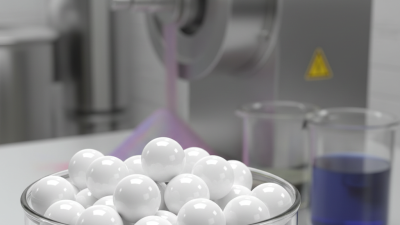
65 Zirconia Silicate Beads are engineered materials widely used in various industrial applications, particularly in grinding and milling processes. These beads are composed primarily of zirconium dioxide and silica, which provide excellent hardness and durability. Their unique properties make them suitable for both wet and dry processing, enhancing effectiveness in achieving fine particle sizes.
The robustness of 65 Zirconia Silicate Beads is significant in minimizing wear and tear during operations. According to recent industry reports, these beads can outperform other materials in terms of wear resistance by up to 30%. This attribute leads to lower maintenance costs and extended equipment lifespan. The density of these beads also plays a crucial role; higher density aids in better energy transfer and reduces processing time.
Tips: Always consider the specific requirements of your milling processes. Evaluate bead size and density to optimize results. Regular testing of bead performance can prevent costly downtime.
Moreover, their ability to disperse materials uniformly makes them invaluable in producing high-quality end products. However, operators should regularly monitor bead conditions. Maintaining consistent quality can be challenging, especially in high-throughput operations. Regular assessments help ensure optimal effectiveness and avoid inconsistencies in production.
Applications of 65 Zirconia Silicate Beads in Various Industries
Zirconia silicate beads have become increasingly popular across various industries. These beads are known for their exceptional hardness and durability. They are often utilized in milling and grinding processes. Manufacturers value their efficiency in producing fine particles while maintaining low contamination levels. The 65 zirconia silicate bead demonstrates ideal performance in high-energy environments.
In the paint and coating industry, these beads play a critical role. They enhance the dispersion of pigments, leading to vibrant colors and improved texture. Additionally, they reduce the wear on milling equipment, prolonging its lifespan. Similar benefits are seen in the ceramics sector, where these beads facilitate precision in grinding formulations. However, while they offer many advantages, there are also concerns regarding the cost of sourcing high-quality beads.
The pharmaceutical and cosmetic industries are also seeing the benefits of these beads. They help achieve uniform particle size, which is essential for product consistency. Yet, the long-term impacts on equipment and formulations need further exploration. It’s important to strike a balance between quality and cost. This will ensure that industries can fully leverage the potential of zirconia silicate beads without compromising their budgets.
Benefits and Applications of 65 Zirconia Silicate Beads
Advantages of Using 65 Zirconia Silicate Beads in Grinding Processes
Zirconia silicate beads, particularly the 65 variant, are increasingly favored in grinding processes. Their unique composition offers enhanced hardness and durability. This makes them effective in reducing particle size in various materials, from minerals to chemicals. The beads exhibit a high resistance to wear, extending their lifespan significantly compared to traditional grinding media.
The benefit of using 65 zirconia silicate beads lies in their ability to improve efficiency. They provide a higher grinding performance with less energy consumption. This can lead to lower operational costs over time. Additionally, the smooth surface of the beads minimizes contamination, ensuring product quality. Some users, however, may find the initial investment a bit steep. This could be a barrier for smaller operations.
Moreover, these beads have lower density, which allows for quicker milling processes. The balance between quality and productivity is impressive. Still, there are inconsistencies in grinding results based on the application. Users must evaluate their specific needs before making a switch. Understanding the limitations and benefits is crucial for optimizing performance.
Comparison with Other Grinding Media: Why Choose Zirconia Silicate Beads?
When comparing various grinding media, zirconia silicate beads stand out for several reasons. Industry reports indicate that these beads exhibit exceptional wear resistance, leading to reduced media replacement costs over time. Having a low density minimizes energy consumption during grinding, typically resulting in a 30% efficiency boost compared to traditional media. Their unique composition allows for finer particle sizes, increasing product quality in many applications.
Zirconia silicate beads outperform ceramic and glass beads in key areas. Their toughness delivers consistent performance, even under high-stress conditions. Reports suggest that zirconia silicate beads can extend equipment life by 20% to 40%, making them an economically viable option for manufacturers. However, they also present challenges. Their initial cost is often higher than alternatives, which can deter some businesses in budget-sensitive industries. Yet, the long-term benefits typically justify this investment.
In many cases, companies transitioning to zirconia silicate have noted a measurable impact on productivity. Increased grinding efficiency often translates to faster production rates. However, careful evaluation is necessary when integrating these beads into existing processes. Each operation may present unique challenges and variables that require individualized attention to fully capitalize on the potential advantages.