
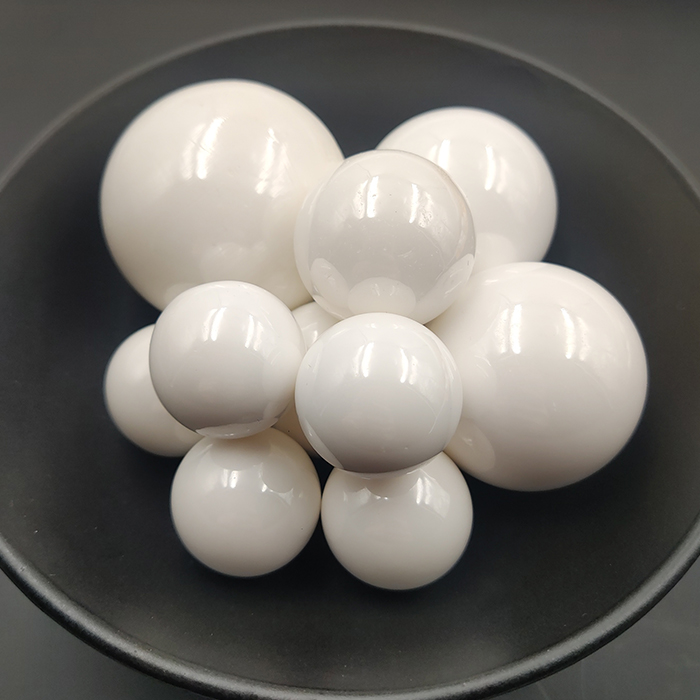
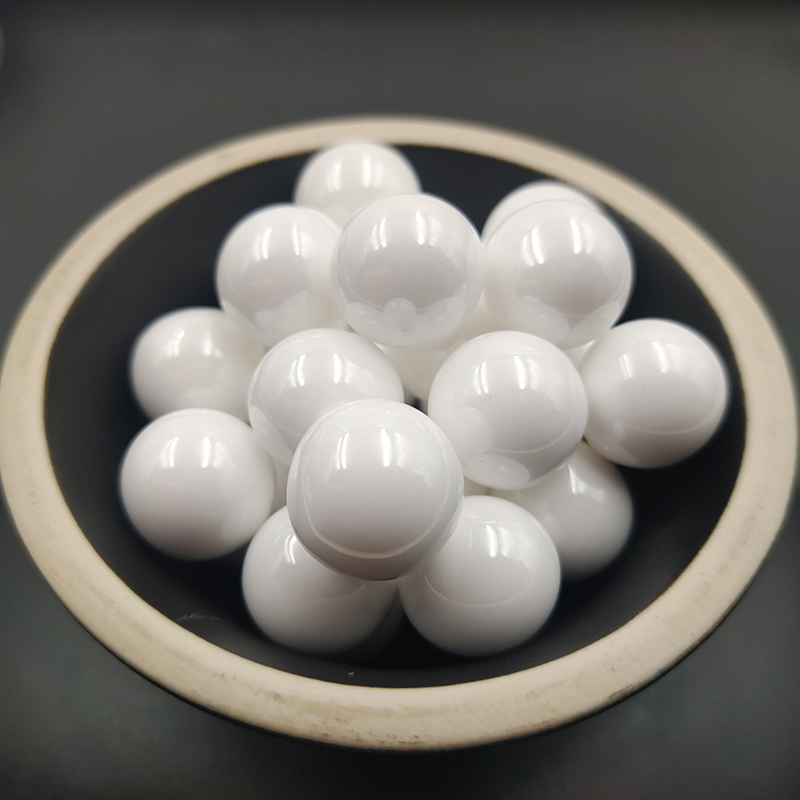
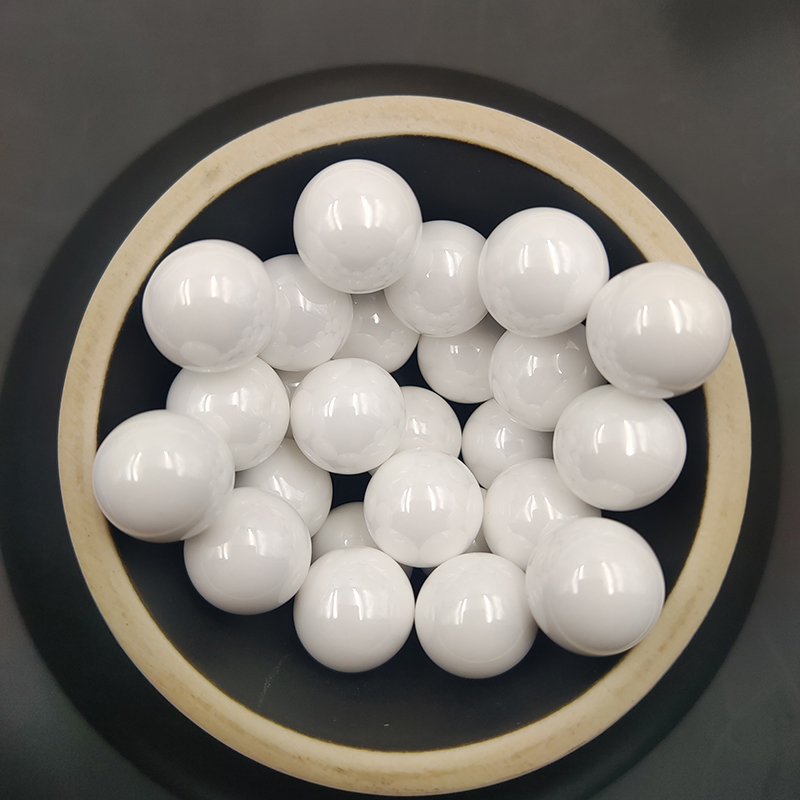
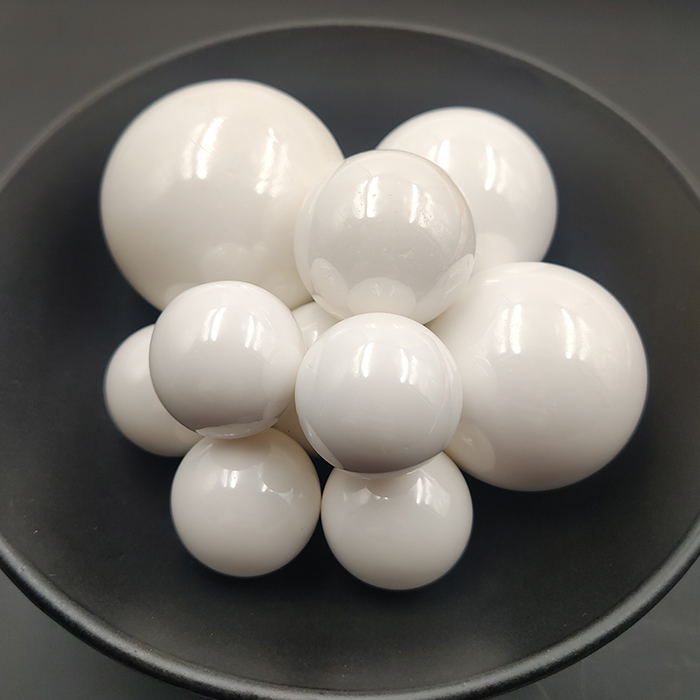
Bio-Inert Ceramic Ball for Medical Device Components
Product Description
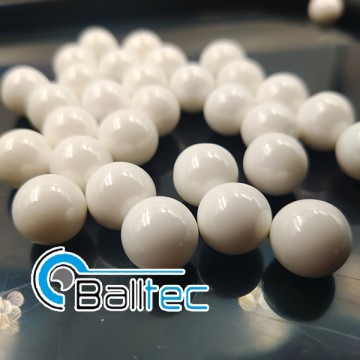
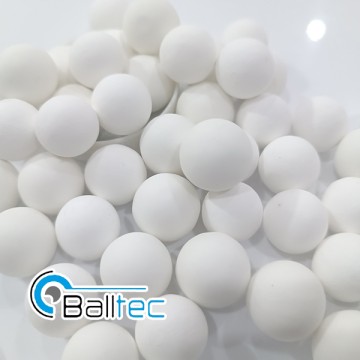
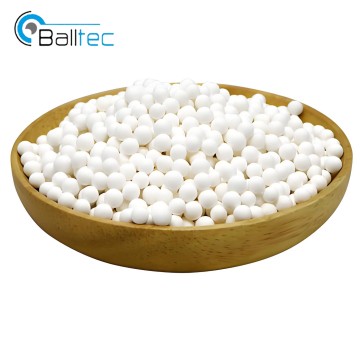
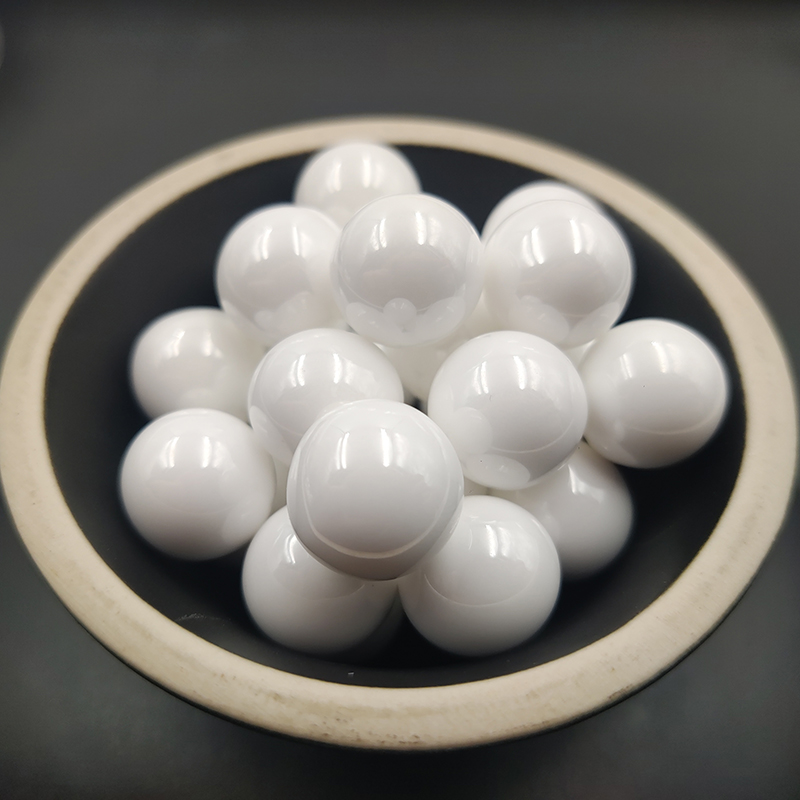
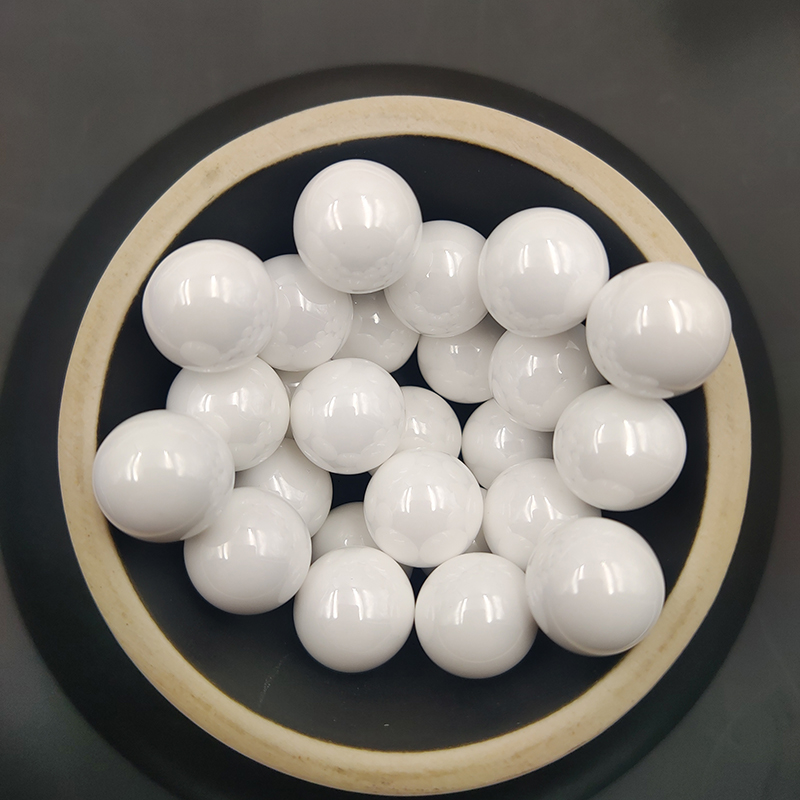
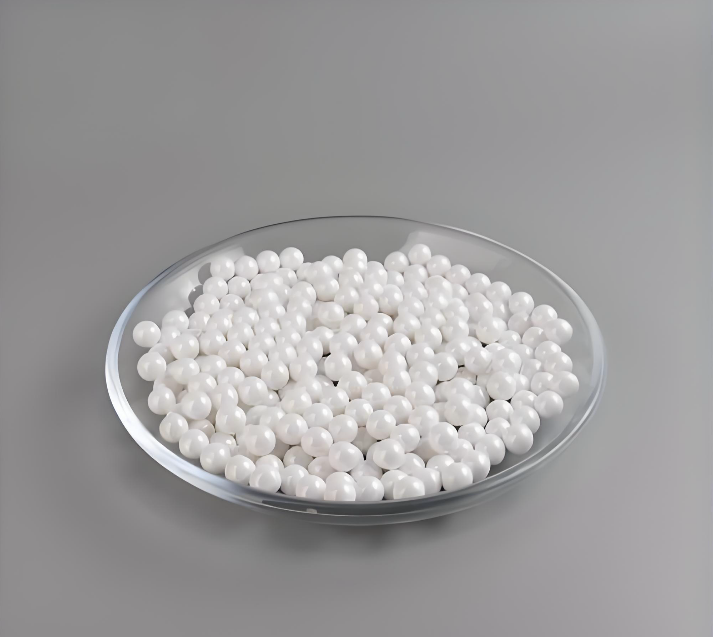
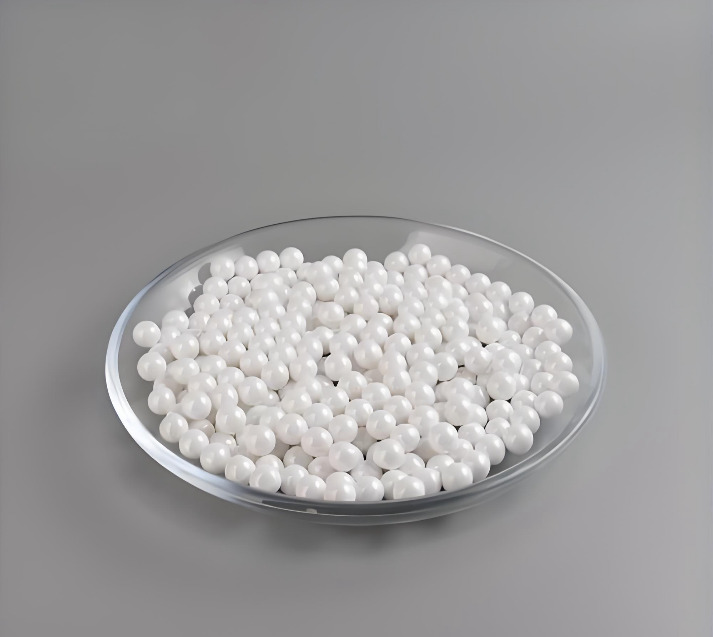
Our Bio-Inert Ceramic Balls are precision-engineered for critical medical device components, designed to meet the strictest biocompatibility, sterility, and durability standards of the healthcare industry. Crafted from high-purity, bio-inert ceramic materials—primarily alumina oxide (Al₂O₃ ≥99.9%) and zirconia oxide (ZrO₂ ≥95%, yttria-stabilized)—these balls undergo advanced manufacturing processes including isostatic pressing, ultra-high-temperature sintering (1650-1750℃), and laser polishing to achieve a dense, smooth, and non-reactive surface that eliminates risks of tissue irritation, corrosion, or ion leaching in vivo or in vitro applications.
Unlike metal components (e.g., titanium, stainless steel) that may trigger immune responses or degrade over time, our bio-inert ceramic balls exhibit zero biological reactivity—they do not interact with bodily fluids (blood, tissue, synovial fluid) or medical reagents, making them ideal for long-term implantation and diagnostic device use. The ultra-smooth surface (Ra ≤0.01 μm) minimizes friction, a critical feature for moving parts in medical devices (e.g., surgical robot joints, valve components), while the high mechanical strength (compressive strength ≥2000 MPa) ensures resistance to wear and deformation under physiological conditions.
All balls undergo rigorous post-production sterilization (gamma radiation or ethylene oxide) and are packaged in sterile, tamper-evident containers to meet ISO 13485 and FDA QSR 820 requirements. Whether for implantable devices (e.g., orthopedic bearings) or diagnostic equipment (e.g., lab-on-a-chip systems), these ceramic balls deliver reliable performance while prioritizing patient safety.
Technical Specifications
|
Specification Item |
99.9% Alumina Option |
Yttria-Stabilized Zirconia (YSZ) Option |
Unit |
Test Standard |
|
Main Material |
High-Purity Alumina (Al₂O₃ ≥99.9%) |
Zirconia (ZrO₂ ≥95%, Y₂O₃ 4.5-5.5%) |
— |
ISO 6483:2012 |
|
Bio-compatibility |
ISO 10993-1 (Cytotoxicity, Sensitization, Irritation: Class I) |
ISO 10993-1 (Same as Alumina) + ISO 10993-5 (Genotoxicity: Negative) |
— |
ISO 10993 Series |
|
Ion Leaching (In Vivo Simulant) |
Al³+ ≤0.001; Heavy Metals (Pb/Cd/As) ≤0.0001 |
Zr⁴+ ≤0.001; Y³+ ≤0.0005; Heavy Metals ≤0.0001 |
mg/L |
USP <1223> |
|
Density |
3.85-3.90 |
6.25-6.35 |
g/cm³ |
Archimedes Method |
|
Vickers Hardness (HV) |
1550-1650 |
1500-1600 |
MPa |
ISO 6507-1:2018 |
|
Compressive Strength |
≥2200 |
≥2000 |
MPa |
ASTM C133-17 |
|
Friction Coefficient (In Vivo Lubrication) |
0.005-0.01 |
0.003-0.008 |
— |
ASTM G99-17 (Synovial Fluid Simulant) |
|
Surface Roughness (Ra) |
≤0.008 |
≤0.01 |
μm |
ISO 4287:2010 |
|
Diameter Range |
0.1mm-50mm |
0.05mm-30mm |
mm |
Laser Micrometer (0.001μm Precision) |
|
Diameter Tolerance |
±0.005 |
±0.003 |
mm |
ISO 3290:2014 |
|
Sterility |
10⁻⁶ SAL (Sterility Assurance Level) |
10⁻⁶ SAL |
— |
ISO 11137-1:2015 (Gamma Radiation) |
|
Maximum Operating Temperature (In Vivo) |
42 |
45 |
℃ |
ISO 10993-14:2001 |
Note: Custom specifications include porous ceramic balls (for tissue ingrowth in implants), hollow designs (for drug delivery devices), and radio-opaque variants (for X-ray visibility) — all compliant with medical device regulatory standards.
Application Industries
Our Bio-Inert Ceramic Balls are indispensable in medical device manufacturing, supporting patient care across diagnostic, surgical, and implantable applications:
- Orthopedic Medical Devices: Used as bearing components in hip/knee joint replacements and spinal fusion devices. Zirconia ceramic balls’ low friction and high wear resistance (wear rate ≤0.001 mm³/(N·m)) mimic natural joint movement, reducing long-term wear debris and extending implant lifespan (15-20 years).
- Surgical Robotics & Instruments: Integrated into surgical robot arms (e.g., laparoscopic robots) and precision surgical tools (e.g., microsurgical scissors). The ultra-high dimensional accuracy (±0.003mm) ensures precise motion control, critical for minimally invasive procedures (e.g., neurosurgery, ophthalmology).
- Diagnostic & Laboratory Equipment: Employed in lab-on-a-chip (LOC) devices, fluidic valves for diagnostic analyzers (e.g., blood glucose monitors), and sample handling systems. The bio-inert surface prevents adsorption of biomolecules (e.g., proteins, DNA), ensuring accurate test results and minimizing cross-contamination.
- Dental Medical Devices: Used in dental implant abutments, orthodontic brackets, and dental handpiece bearings. Alumina ceramic balls’ biocompatibility and resistance to oral bacteria/fluids make them suitable for long-term intraoral use, while their smooth surface avoids irritation to gum tissue.
- Vascular & Cardiovascular Devices: Applied in heart valve components (e.g., check valves for ventricular assist devices) and catheter guidewire tips. The non-thrombogenic surface (resists blood clotting) and chemical inertness ensure compatibility with blood and cardiovascular drugs, reducing post-procedure complications.
Frequently Asked Questions (FAQs)
Q1: Are these ceramic balls compatible with magnetic resonance imaging (MRI) machines?
A1: Yes. Both alumina and zirconia ceramic materials are non-magnetic and non-ferromagnetic, meaning they do not interfere with MRI magnetic fields or produce artifacts in images. This makes them ideal for implantable devices (e.g., orthopedic joints, neural stimulators) where patients may require post-implant MRI scans. For devices needing enhanced MRI visibility, we offer custom radio-opaque variants (doped with gadolinium oxide) that improve imaging contrast without compromising biocompatibility.
Q2: Can the ceramic balls be integrated into long-term implantable devices (e.g., 10+ years of in vivo use)?
A2: Absolutely. Our bio-inert ceramic balls are designed for long-term in vivo durability: (1) Corrosion Resistance: They show no degradation in simulated bodily fluids (e.g., synovial fluid, blood plasma) after 50,000 hours of testing (equivalent to ~15 years in vivo); (2) Wear Resistance: Zirconia balls in joint replacements have a wear rate 10-100 times lower than metal-on-polyethylene bearings, minimizing wear debris (a major cause of implant failure); (3) Biostability: They are classified as “permanent implant materials” under ISO 10993-1, with no evidence of tissue rejection or chronic inflammation in long-term animal studies.
Q3: What sterilization methods are compatible with these ceramic balls?
A3: The balls are compatible with all standard medical sterilization methods: (1) Gamma Radiation (25-40 kGy): The most common method for final sterilization, with no impact on ceramic structure or biocompatibility; (2) Ethylene Oxide (EO) Sterilization: Suitable for devices with sensitive components (e.g., polymer coatings), as it operates at low temperatures (30-50℃); (3) Autoclaving (121℃, 15 psi): Compatible for reusable devices (e.g., surgical tools), though we recommend limiting cycles to ≤100 to avoid potential surface degradation. All sterilization processes are validated to meet ISO 11137 (gamma) and ISO 11135 (EO) standards.
Q4: How do you ensure traceability for medical device components?
A4: We maintain full traceability for every batch of ceramic balls, as required by FDA 21 CFR Part 820 and ISO 13485: (1) Batch Documentation: Each batch includes a Certificate of Compliance (CoC) with raw material lot numbers, manufacturing dates, and test results (biocompatibility, dimensional accuracy); (2) Laser Marking: For large-diameter balls (≥1mm), we offer optional laser marking with unique batch codes for individual traceability; (3) Retention Samples: We retain 5% of each batch for 10 years, enabling re-testing if needed for regulatory or quality investigations. This ensures full transparency for medical device manufacturers in their own regulatory submissions.